In the mid-2020s, the boundary between the digital artist and the industrial professional has practically evaporated. What used to be a hobby confined to glowing monitors and stylus pens is now the foundational engine of the modern economy. To learn computer arts today is to acquire a universal language, a set of “master keys” that can unlock doors in fields ranging from high-end interior design to the solemn beauty of memorial craftsmanship.
The versatility of a digital art background lies in its core principles: composition, color theory, spatial awareness, and technical problem-solving. When you master software like Adobe Creative Suite, Procreate, or Blender, you aren’t just learning to make pretty pictures; you are learning how to manipulate the visual world. This 5,000-word guide explores the expansive professional landscape available to those who start in computer arts, demonstrating how a single digital skill set can lead to a lifetime of diverse, high-income opportunities.
I. The Digital-to-Physical Transition: Mastering Product Design

One of the most immediate and lucrative leaps for a digital artist is into the realm of tangible consumer goods. The world is tired of mass-produced, sterile environments, and there is a surging demand for bespoke “artistic” living and working spaces. Digital artists who understand vector scaling and large-format printing are now leading the charge in interior branding. Many find their niche creating custom designer office wallpaper, where a digital mural is scaled to fit corporate boardrooms or boutique hotel lobbies. This requires a deep understanding of “tiling” and “seamless repeats,” ensuring that a complex digital illustration looks perfect when stretched across a fifty-foot wall.
Beyond the walls, the digital artist’s eye for color and pattern is a natural fit for the retail apparel store. Many artists leverage their portfolios to launch a curated home decor store, either online or in a physical “pop-up” capacity. Here, the digital files that once sat on a hard drive are transformed into throw pillows, high-end rugs, and ceramic patterns. The transition from a 2D screen to a 3D product involves mastering “mock-ups” and understanding how different physical textures, from silk to heavy canvas, interact with digital ink profiles.
To maximize your success in this sector, you must become a student of substrate chemistry and industrial printing. It is not enough to simply hand over a file; a top-tier designer understands how different light sources, like the fluorescent humming of an office or the warm LEDs of a retail shop, will change the viewer’s perception of the printed colors. By mastering these environmental variables, you ensure that your digital creations provide a premium experience in the physical world, elevating your brand from a simple service provider to an essential design partner.
Technical Tips for Physical Product Design
-
Vector Over Raster: Always design logos and patterns in vector format (AI or SVG) to ensure they can be scaled from a business card to a billboard without losing quality.
-
Color Profile Mastery: Learn the difference between RGB (web) and CMYK (print). If you design for a physical store in RGB, your neon pinks will likely turn into a dull magenta when printed.
-
Resolution Standards: For large-scale items like wall coverings, aim for a minimum of 300 DPI at 1/10th scale to maintain crisp lines and avoid pixelation.
-
Material Research: Spend time at local print shops to touch different substrates. Knowing how ink sits on vinyl versus recycled paper will change how you design in your software.
II. The Architecture of Attention: Digital Marketing and Branding
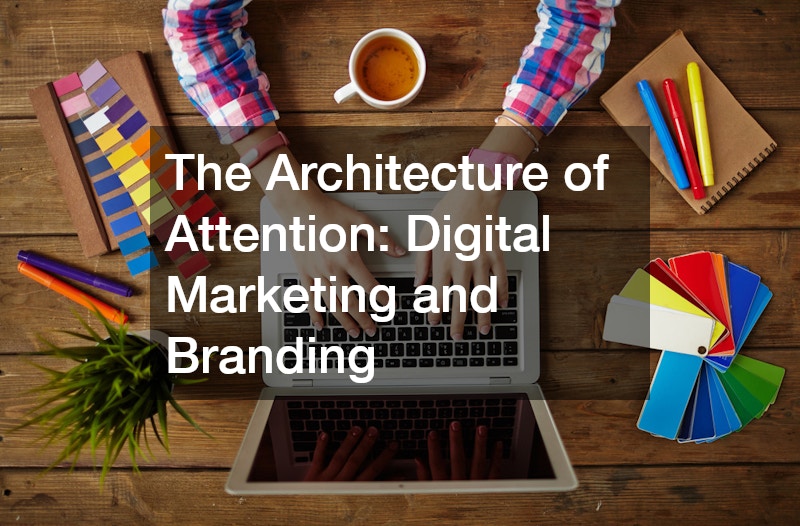
In the current attention economy, the “visual hook” is a brand’s most valuable asset. Businesses are no longer just looking for a simple logo; they are looking for a complete visual ecosystem. This has created a massive demand for computer artists who can bridge the gap between static design and dynamic motion. Those who specialize in social media advertising are tasked with creating “scroll-stopping” content—animations and graphics that communicate a brand’s value proposition in less than three seconds. The ability to combine typography with motion graphics is a high-demand skill that allows artists to command significant freelance rates or high-level agency positions.
This visual storytelling often extends into the fashion world. Digital artists are frequently hired by an apparel store to manage their digital lookbooks and online storefronts. The artist ensures that the visual identity of the clothing, its mood, its target demographic, and its “vibe,” is consistent across every digital platform. This involves not only designing the graphics but also managing the UI/UX (User Interface/User Experience) of the digital shopping environment, ensuring that the customer’s journey from a social media ad to a checkout page is visually seamless and emotionally engaging.
Beyond the aesthetics, the digital marketer must also become an expert in “Visual Analytics,” learning how to iterate designs based on real-time performance data. As a computer artist in this field, you will often create “dynamic assets” that change based on user demographics, requiring you to build complex templates that are both beautiful and flexible. This intersection of high art and high data is where the most lucrative agency roles exist today, rewarding those who can balance creative intuition with a scientific approach to consumer behavior.
Strategies for High-Impact Digital Marketing
-
Animation Basics: Even simple “parallax” effects (moving background layers at different speeds) can increase engagement on an ad by over 40%.
-
A/B Testing Visuals: Use your artistic skills to create two variations of an ad. Data-driven design—seeing which color or layout gets more clicks—is a hallmark of a professional digital marketer.
-
Consistent Branding: Create a “Brand Style Guide” for your clients. This ensures that every digital asset, from a tiny favicon to a YouTube banner, uses the same hex codes and font weights.
-
Typography Psychology: Understand that fonts have “personalities.” A serif font conveys tradition and trust, while a sans-serif font feels modern and approachable.
III. Precision Craftsmanship: The New Frontier of Body Art
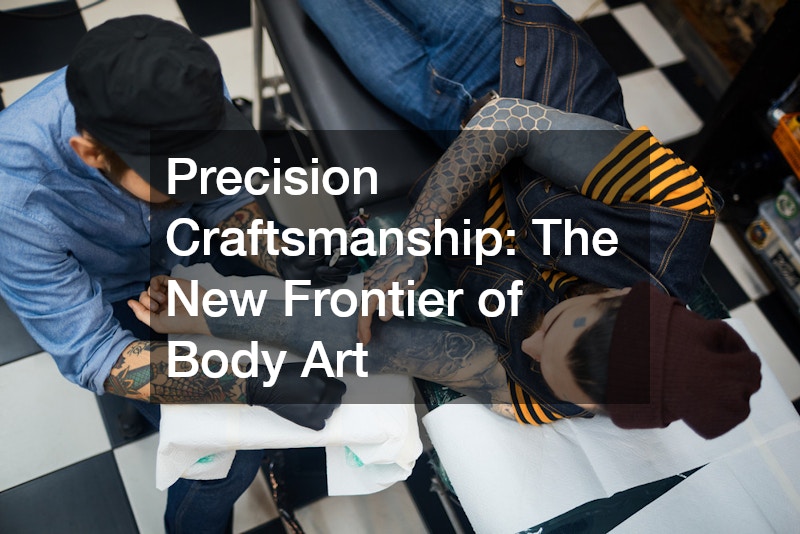
The tattoo industry has undergone a technological revolution, and digital artists are at the forefront of this shift. Historically, tattooing was a “paper and pencil” craft, but today, a high-end tattoo studio is indistinguishable from a digital design lab. Professional tattooists now use tablets to draw directly onto photos of their clients’ skin, allowing for a level of anatomical precision that was previously impossible. This digital workflow allows the artist and the client to “preview” the artwork in 3D space, adjusting line weights and shading to flow perfectly with the body’s muscles.
Because the technical barrier between digital drawing and skin-based art has lowered, many computer artists are finding a second career in providing tattoos. If you have mastered the “brush engine” in a program like Procreate, you already understand 70% of the logic required for modern tattooing. The digital artist’s ability to manipulate layers and “mask” areas allows them to create hyper-realistic or intricate geometric designs that look like they were printed directly onto the skin. This has transformed tattooing from a traditional craft into a high-tech fine art form.
Transitioning into the world of permanent ink also requires a deep understanding of how digital colors translate into biological pigments over time. A professional artist must learn how “skin spread” and oxidation will affect their meticulously designed digital gradients five or ten years down the line. By combining your digital foresight with the physical science of dermal application, you can create pieces that are not only stunning on the day of the appointment but remain vibrant and legible as a lifelong piece of wearable fine art.
How to Pivot from Digital Art to Tattooing
-
Master the Stencil: Learn how to convert your digital paintings into high-contrast linework. A clear stencil is the “blueprint” that prevents mistakes once the needle is active.
-
Anatomical Mapping: Practice drawing on 3D models. Understanding how a straight line on a screen “curves” around a human bicep is a critical skill for body artists.
-
Shadow and Light: Use your digital shading skills to understand “skin depth.” In tattooing, you can’t just “paint over” a mistake, so your digital practice should focus on “one-pass” precision.
-
Portfolio Building: Show your digital designs side-by-side with physical mock-ups. This demonstrates to shop owners that you understand the transition from the screen to the skin.
IV. Capturing the World from Above: New Media Perspectives
Computer arts in the 2020s have expanded to include the “lens” as much as the “brush.” One of the fastest-growing niches for digital creatives is drone photography. This career combines the thrill of piloting with the artistic demands of cinematic composition. Real estate developers, environmental researchers, and luxury travel brands all require high-resolution aerial footage that has been “color-graded” and digitally enhanced by a professional artist. A drone pilot with a computer arts background doesn’t just “take a picture”; they capture a raw data file and transform it into a piece of fine art through post-processing.
This aerial perspective is increasingly used in the fashion and marketing sectors as well. When an apparel brand wants to showcase a new collection, they often use drones to capture models in vast, epic landscapes that traditional photography cannot reach. The computer artist’s job is to take this footage and composite digital elements, such as floating text or weather effects, directly into the scene. This “Mixed Reality” approach to photography is a premium service that allows digital artists to work at the intersection of technology and high fashion.
To excel in this field, you must master the art of “Photogrammetry,” which involves using aerial photos to build high-fidelity 3D models of real-world environments. This allows you to offer your clients more than just a photo; you can provide a “digital twin” of their property or project that can be used in VR walkthroughs or interactive marketing. This integration of drone flight and 3D environment design is currently one of the highest-paying sub-sectors for digital artists, bridging the gap between traditional media and the metaverse.
Tips for Aerial Digital Artistry
-
Post-Processing Power: Learn to shoot in “Log” or “Raw” formats. These files look flat and grey at first, but they hold the maximum amount of data for you to manipulate colors in post-production.
-
Framing for Motion: In drone work, the “camera” is always moving. Apply the “Rule of Thirds” in a dynamic way, imagining how your subject moves through the digital frame.
-
Cinematic Color Grading: Use “LUTs” (Look Up Tables) to give your footage a specific mood—warm and nostalgic for a wedding, or cold and industrial for a corporate site.
-
Compositing Skills: Practice adding digital elements to moving footage. If you can make a digital logo look like it’s “pinned” to a real-world building in a drone shot, your value as an artist skyrockets.
V. Digital Memorialization: Art for Eternity
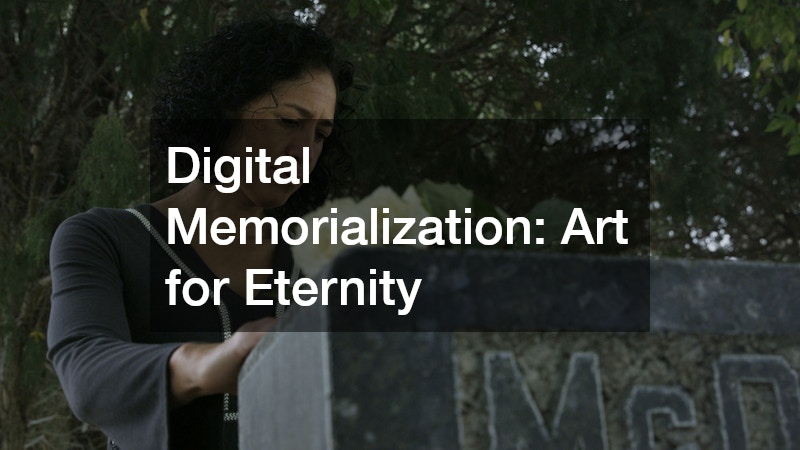
Perhaps the most unique and emotionally significant application of computer arts is in the bereavement and commemorative industries. Modern stoneworking now utilizes CNC (Computer Numerical Control) machines and high-powered lasers to etch images onto granite and marble. This has created a new career path for artists who specialize in custom memorials. These artists take old, often damaged family photographs and digitally restore them, converting them into “halftone” patterns that a laser can understand. They are responsible for creating a permanent, physical legacy for families, turning digital pixels into stone-carved memories.
This field requires an incredibly high level of technical precision. When designing cemetery markers, there is no “undo” button once the laser begins its work. The artist must understand how light reflects off different stone types, such as black granite versus grey marble, and adjust their digital files accordingly. A computer artist in this field is part-historian, part-technician, and part-artist, providing a service that is both technically challenging and deeply meaningful to the community.
Beyond the technical etching, a digital artist in this field must act as a “Legacy Consultant,” helping families choose the right imagery and typography to capture the spirit of a life lived. This requires a specialized knowledge of “high-contrast” design, as the final image must be legible in various outdoor lighting conditions for a century or more. By combining your Photoshop restoration skills with a deep understanding of stone-cutting mechanics, you create pieces that serve as the final, permanent touchstone for a family’s history.
VI. Conclusion: The Unlimited Canvas
The journey into computer arts is no longer a straight line toward a single job title; it is a springboard into an interconnected universe of professional possibilities. Whether you are designing the visual “skin” of a workspace, helping a brand go viral through motion graphics, or carving a family’s legacy into stone, your skills as a digital creator are the common denominator. The “brush” you pick up today on a tablet is the same tool that will eventually drive a laser, a drone, or a global marketing campaign.